
Oxford Women's Staff Network (OWN)
Information about the Oxford Women's Staff Network (OWN) and how to join
The Oxford Women’s Staff Network (OWN) is an open and welcoming space for women working in all role types and grades, and is inclusive of both University and college staff.
The network is open to anyone who identifies as a woman, including trans women and non-binary people who are comfortable in a women-centred community. The network is inclusive of people with multiple identities, and aims to work collaboratively with the Disabled Staff, LGBT+ and BME Staff Networks, and in support of subject-specific women's networks.

Vision
The women’s staff network is anchored in a shared commitment to raising the profile of women at Oxford and creating a supportive, inclusive and aspirational community that connects women from across the University.
The network aims to centre its work around the following principles:
- Connection – Connect women across the University with each other, across roles, grades, departments and between colleges and the University.
- Development – Provide a platform for identifying professional development opportunities.
- Advocacy – Act as a voice for women across the University, and advocate for progress on issues most impacting the community.
- Visibility – Make visible the achievements and aims of women across the University, past and present.
Leadership
The network is led by a Steering Group, which is comprised of members who have been nominated and elected to a two-year term.
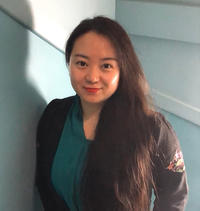
Yige Sun
I am a Research Fellow at Linacre College and the Faraday Institution, researching batteries for net zero and sustainable energy and teaching in the Department of Materials. As an early career researcher, I have experienced the uncertainties of short-term contracts and the pressures of building a career while navigating an international move from East to West. These experiences have made me more aware of how under-representation and systemic barriers affect women in STEM, particularly in the long pipeline from education to senior leadership. In both academia and industry, I have seen how women remain under-represented, with numbers rising only from 25% to 27% between 2015 and 2022. This has led me to reflect on how education can contribute to addressing these long-term challenges, which require sustained effort and collective commitment.
Alongside my research, I serve as a Mental Health First Aider at the Department of Materials, where I see how wellbeing support can make a real difference. I have also represented Women in STEM in conference talks and through writing, including my blog “Why explore? From a woman in STEM research”.
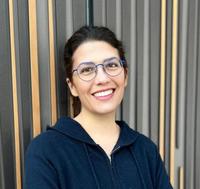
Prof Elena Seiradake
I am a professor of molecular biology, and my role involves leading a research team at the Department of Biochemistry and teaching undergraduate & graduate students at the Department and at Somerville College, where I am the fellow in biochemistry. I love research and believe that anyone, regardless of their social status and background, should have the opportunity to contribute to science, and reach their full potential. My personal experience of becoming a mother in 2020 opened my eyes to the additional obstacles faced by parents, particularly women. Although there are many amazing dads out there, on average, women still carry most of the burden associated with starting a family (pregnancy, childbirth, breast feeding, housework, mental load etc). Studies have shown that this is a major reason for the ‘gender gap’. I would love to help improve things for mums (and involved dads) if I can.
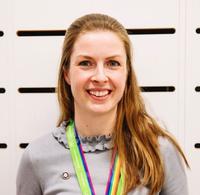
Amy Hinks
I am the Athena Swan Coordinator and Data Analyst for the Equality, Diversity, and Inclusion (EDI) Team in the MPLS Division. My role focuses on supporting departments in their work to improve gender equality for staff and students. I also support returning carers and working parents and contribute to the broader work of the EDI team in the division. With a background as a DPhil student and then a PDRA in the Biology department, I have an insight into the pressures students and researchers may encounter, as well as professional services staff. I balance work with raising two young children and can relate to the pressures of maintaining work momentum after a career break.

Hafsa Arif
I am a dedicated legal professional committed to advancing gender equality, championing human rights, and empowering future leaders in law. In my role as Graduate Careers Officer at Oxford’s Faculty of Law, I work closely with emerging legal talent—supporting, guiding, and equipping students to pursue purposeful, impactful careers.
My legal journey is driven by a belief in expanding opportunity and breaking down barriers for women and underrepresented voices. Alongside my advocacy work in human rights, I bring robust corporate and commercial experience, giving me a deep understanding of the diverse legal challenges faced across sectors. With a global legal perspective grounded in Pakistani, British, and American legal systems, I am committed to fostering inclusive, supportive, and equitable professional environments. My dedication to advancing women’s representation and inclusion has been recognised through the Athena Swan Award for Gender Equality.
I aim to use my expertise, voice, and lived experience to contribute to the Oxford Women’s Network’s mission—uplifting women, strengthening community, and driving meaningful social change within Oxford and across the broader legal landscape.
Join the network
If you would like to join the network, please sign up to our mailing list to receive regular updates and to be invited to the next meeting.
For any questions, please contact the Equality and Diversity team.

